Search Engine Optimization (SEO) plays a crucial role in improving a website’s visibility and attracting organic traffic. However, many websites fail to rank well not because SEO doesn’t work, but because of common mistakes that silently harm their performance. Understanding and avoiding these errors can significantly improve your search engine rankings and user experience. Below are some of the most common SEO mistakes that hurt website rankings.
1. Ignoring Keyword Research
One of the biggest SEO mistakes is not conducting proper keyword research. Many website owners target keywords that are either too competitive or not relevant to their audience. Using the wrong keywords means your content won’t match what users are searching for. Effective keyword research helps you understand search intent and target terms that can realistically bring traffic to your website.
2. Keyword Stuffing
While keywords are important, overusing them can negatively impact rankings. Keyword stuffing makes content look unnatural and spammy, which search engines penalize. Instead of repeating the same keyword excessively, focus on writing helpful, meaningful content and use related terms naturally. Quality content always performs better than forced optimization.
3. Poor Quality or Thin Content
Search engines prioritize websites that offer value to users. Pages with thin, duplicate, or low-quality content fail to meet this standard. Content that lacks depth, originality, or relevance can reduce trust and rankings. Regularly updating your website with informative, well-structured, and unique content is essential for long-term SEO success.
4. Neglecting On-Page SEO
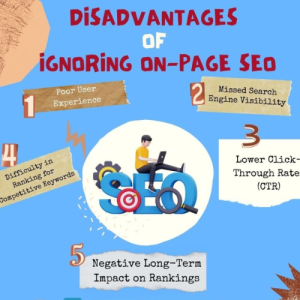
On-page SEO elements such as title tags, meta descriptions, headers, and image alt text are often overlooked. Missing or poorly optimized on-page elements make it harder for search engines to understand your content. Each page should have a unique title and meta description that clearly describes its topic and encourages users to click.
5. Slow Website Speed
Website speed is a confirmed ranking factor and a major user experience issue. Slow-loading pages increase bounce rates and reduce engagement. Common causes include unoptimized images, excessive scripts, and poor user experience. Optimizing page speed improves both SEO performance and user satisfaction.
6. Not Optimizing for Mobile
With most users browsing on mobile devices, having a mobile-friendly website is no longer optional. Websites that are not responsive or mobile-optimized suffer in search rankings. A poor mobile experience leads to higher bounce rates and lower engagement, signaling to search engines that your site may not meet user needs.
Technical SEO errors such as broken links, crawl errors, improper redirects, and missing XML sitemaps can prevent search engines from indexing your website correctly. Even strong content may fail to rank if technical issues block search engine bots. Regular site audits help identify and fix these problems early.
8. Poor Internal Linking Structure
Internal linking helps search engines understand your website structure and distributes link equity across pages. Ignoring internal links or using them incorrectly can weaken your SEO efforts. A clear and logical internal linking strategy improves navigation and helps important pages rank better.
9. Lack of Quality Backlinks
Backlinks from authoritative websites act as trust signals for search engines. Many websites either ignore link-building or focus on low-quality links that do more harm than good. Building natural, high-quality backlinks through valuable content and genuine outreach strengthens your website’s authority and rankings.
SEO is not a one-time effort. Failing to track performance means you won’t know what’s working and what needs improvement. Without tools like Google Analytics and Google Search Console, you miss valuable insights into traffic, rankings, and user behavior. Monitoring data allows you to refine your strategy and stay competitive.
Conclusion
SEO success depends not only on what you do but also on what you avoid. Common SEO mistakes such as poor keyword targeting, low-quality content, technical issues, and ignoring user experience can significantly harm your website rankings. By identifying and correcting these errors, you can build a stronger SEO foundation, improve visibility, and drive consistent organic traffic to your website.