Social media algorithms play a crucial role in determining who sees your content and how far it spreads. Whether you’re a business, creator, or brand, understanding how algorithms work can help you improve reach, engagement, and overall performance. While each platform has its own system, the core principles behind social media algorithms are surprisingly similar. Let’s explore how algorithms affect your social media reach and what you can do to work with them, not against them.
What Is a Social Media Algorithm?
A social media algorithm is a set of rules and signals used by platforms like Instagram, Facebook, LinkedIn, and X to decide which content appears on a user’s feed. Since users are exposed to thousands of posts daily, algorithms filter content to show what they believe is most relevant, engaging, and timely for each individual.
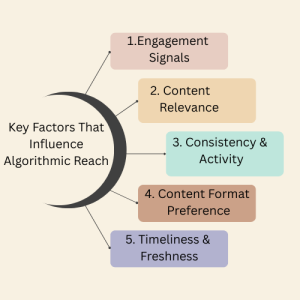
Key Factors That Influence Algorithmic Reach
1. Engagement Signals
Engagement is the most important factor affecting reach. Likes, comments, shares, saves, video watch time, and profile visits tell the algorithm that your content is valuable. Posts that receive strong engagement shortly after publishing are more likely to be shown to a wider audience.
2. Content Relevance
Algorithms analyze user behavior—what they like, watch, comment on, or search for—and match it with similar content. If your post aligns with a user’s interests, it’s more likely to appear in their feed. This is why niche-focused content often performs better than generic posts.
3. Consistency & Activity
Active accounts are rewarded. Posting consistently signals that your account is reliable and worth showing. However, consistency doesn’t mean posting excessively. It means maintaining a steady schedule that keeps your audience engaged without overwhelming them.
4. Content Format Preference
Platforms often prioritize certain formats. For example, short-form videos like Reels and Shorts currently receive higher reach compared to static posts. Algorithms push content types that keep users on the platform longer, so adapting to preferred formats can significantly boost visibility.
5. Timeliness & Freshness
Recency matters. New posts are given an initial push to test audience reaction. If users engage quickly, the algorithm extends the reach further. Posting when your audience is most active increases the chances of early engagement.
How Algorithms Limit Reach
Algorithms don’t intentionally suppress content, but they do deprioritize posts that receive low engagement, appear spammy, or violate platform guidelines. Repetitive content, clickbait captions, excessive hashtags, or inconsistent posting can reduce your reach over time. Additionally, accounts that rarely interact with their audience may struggle to gain visibility.
Platform-Specific Algorithm Insights
While core principles remain the same, each platform has its own focus:
Instagram & Facebook: Prioritize Reels, meaningful interactions, and saves/shares.
LinkedIn: Favors informative, professional content that sparks discussion.
X (Twitter): Rewards timely, conversational, and engagement-heavy posts.
YouTube: Emphasizes watch time, retention, and click-through rate.
Conclusion
Social media algorithms aren’t obstacles—they’re systems designed to enhance user experience. When you understand what algorithms prioritize, you can create content that naturally earns higher reach and engagement. By focusing on relevance, consistency, quality, and genuine interaction, you can work in harmony with algorithms and steadily grow your social media presence over time.