Beginner’s Guide to Pay-Per-Click (PPC) Advertising
Pay-Per-Click (PPC) advertising is one of the fastest and most effective ways to drive targeted traffic to your website. Whether you’re a small business owner, a marketer, or a startup founder, PPC can help you reach the right audience at the right time. This beginner’s guide explains what PPC is, how it works, and how you can get started successfully.
What Is Pay-Per-Click Advertising?
PPC is an online advertising model where advertisers pay a fee each time someone clicks on their ad. Instead of earning visits organically, you buy traffic through platforms like Google Ads, Microsoft Ads, Facebook Ads, Instagram Ads, and LinkedIn Ads.
The most common type of PPC is search advertising, where ads appear at the top of search engine results when users search for specific keywords.
How Does PPC Work?
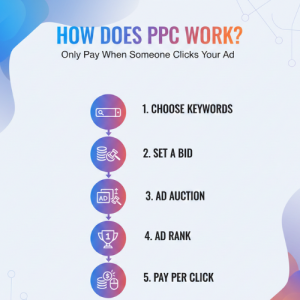
PPC works through an auction-based system:
Choose Keywords – Advertisers select keywords related to their products or services.
Set a Bid – You decide how much you’re willing to pay for a click.
Ad Auction – When a user searches, the platform runs an auction among advertisers.
Ad Rank – Ads are ranked based on bid amount, ad quality, and relevance.
Pay Per Click – You’re charged only when someone clicks your ad.
This system ensures that users see relevant ads while advertisers get value for their spend.
Popular PPC Platforms
Google Ads – The most popular PPC platform, ideal for search, display, shopping, and YouTube ads.
Microsoft Ads – Ads appear on Bing, Yahoo, and partner networks.
Facebook & Instagram Ads – Best for audience targeting and visual ads.
LinkedIn Ads – Effective for B2B marketing and professional targeting.
Choosing the right platform depends on your business goals and target audience.
Types of PPC Ads
Search Ads – Text ads shown on search engine results pages.
Display Ads – Banner or image ads displayed across websites.
Shopping Ads – Product-based ads with images and prices.
Video Ads – Ads shown on platforms like YouTube.
Remarketing Ads – Target users who have previously visited your website.
Each format serves different marketing objectives, from awareness to conversions.
Benefits of PPC Advertising
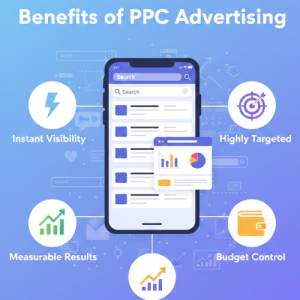
Instant Visibility – Appear on top of search results quickly.
Highly Targeted – Target users by keywords, location, device, interests, and more.
Measurable Results – Track clicks, conversions, ROI, and performance in real time.
Budget Control – Set daily or monthly spending limits.
Scalable – Increase or decrease spend based on results.
These advantages make PPC ideal for both beginners and experienced marketers.
Key PPC Metrics You Should Know
CTR (Click-Through Rate) – Percentage of users who click your ad.
CPC (Cost Per Click) – Amount paid for each click.
Quality Score – A measure of ad relevance and user experience.
Conversion Rate – Percentage of clicks that result in a desired action.
ROI (Return on Investment) – Revenue earned compared to ad spend.
Monitoring these metrics helps optimize campaigns for better performance.
Tips for Beginners to Succeed in PPC
Start with a small budget and test your campaigns.
Use high-intent keywords relevant to your business.
Write clear and compelling ad copy with a strong call-to-action.
Create optimized landing pages for conversions.
Regularly analyze and optimize your campaigns.
Avoiding common mistakes like targeting broad keywords or ignoring data can save money and improve results.
Conclusion
PPC advertising is a powerful digital marketing strategy that delivers quick, measurable results when done right. For beginners, understanding how PPC works, choosing the right platform, and focusing on optimization are key to success. With proper planning and consistent monitoring, PPC can help grow your brand, drive leads, and increase sales efficiently.