Content Marketing Funnel Explained: A Step-by-Step Guide
In today’s digital world, customers don’t buy instantly. They move through a journey—from discovering your brand to finally becoming loyal customers. This journey is known as the content marketing funnel. Understanding this funnel helps businesses create the right content for the right audience at the right time.
Let’s break down the content marketing funnel and how it works.
In today’s crowded digital world, people don’t just buy products—they buy stories, values, and emotions. Brands that connect on a human level earn more than sales; they earn trust. This is where storytelling becomes one of the most powerful tools in marketing.
Storytelling is not about selling. It’s about connecting, relating, and being remembered. Let’s explore how storytelling builds brand trust and why it should be a core part of your marketing strategy.
Video has become one of the most powerful tools in digital marketing. From social media reels to product demos and brand stories, video captures attention faster than any other content format. But simply creating videos is not enough—you need the right strategy to turn viewers into customers. Below are proven video marketing strategies that help boost engagement, build trust, and increase conversions.
1. Understand Your Audience First
Before creating any video, define who your audience is. Understand their pain points, interests, and buying behavior.
When your content speaks directly to your audience’s needs, they are more likely to watch, engage, and convert.
2. Create Short and Impactful Videos
Attention spans are shorter than ever. Short-form videos (15–60 seconds) perform best on platforms like Instagram, YouTube Shorts, and TikTok.
Tips:
Start with a strong hook in the first 3 seconds
Focus on one clear message
End with a simple call-to-action (CTA)
3. Focus on Storytelling
People connect with stories, not sales pitches. Use real-life problems, customer journeys, or brand values to create emotional connections.
Story-driven videos build trust and make your brand more memorable.
4. Use Strong Calls-to-Action (CTA)
Every video should guide the viewer to take the next step—visit a website, sign up, download, or purchase.
Examples of CTAs:
“Shop Now”
“Learn More”
“Subscribe for Updates”
“Get a Free Trial”
5. Optimize Videos for SEO
Search engines index videos too. Optimizing your videos helps them appear in search results.
SEO tips:
Use keywords in video titles and descriptions
Add captions and transcripts
Use relevant tags
Choose an attractive thumbnail
This increases visibility and organic traffic.
6. Leverage Social Media Platforms
Different platforms require different video styles.
Instagram & Facebook: Short reels, stories, behind-the-scenes
YouTube: Tutorials, product reviews, long-form guides
LinkedIn: Educational and professional content
Tailor your videos for each platform to maximize reach.
7. Use Customer Testimonials and Reviews
Videos showing real customers sharing experiences build credibility.
Testimonial videos reduce buyer hesitation and increase trust, making them powerful for conversions.
8. Show Your Product in Action
Demonstration videos help viewers understand how your product works and why it’s valuable.
This removes confusion and increases the chance of purchase.
9. Retarget Viewers with Video Ads
Not everyone converts the first time. Retargeting people who watched your videos with follow-up ads keeps your brand top of mind and increases conversions.
Test different formats, lengths, and CTAs to continuously improve results.
Final Thoughts
Video marketing is not about going viral—it’s about creating meaningful content that drives action. By understanding your audience, telling stories, optimizing for SEO, and using clear CTAs, you can turn viewers into loyal customers. Start small, stay consistent, and let your videos work as your strongest conversion tool.
In today’s competitive digital world, writing a blog is not just about creativity—it’s about visibility. No matter how informative your content is, it won’t perform well unless search engines can find and rank it. Search Engine Optimization (SEO) plays a key role in helping your blog appear on Google’s first page. Below are practical blog writing tips to help you improve your SEO rankings and attract more organic traffic.
Why Content Marketing Is the Backbone of Digital Growth
In today’s digital-first world, customers no longer respond to hard-selling ads alone. They want value, trust, and meaningful connections with brands. This is where content marketing plays a powerful role. It is not just a marketing tactic—it is the backbone of sustainable digital growth. From building brand awareness to driving conversions, content marketing fuels every stage of the customer journey.
In today’s digital world, most visitors don’t buy the first time they visit a website. Studies show that over 90% of users leave without converting. This is where retargeting ads become a powerful sales tool. Retargeting helps brands reconnect with people who have already shown interest and gently guides them back to complete a purchase.
Let’s explore how retargeting ads work and why they are one of the most effective strategies to boost sales.
Pay-Per-Click (PPC) advertising is one of the fastest ways to drive traffic, leads, and sales. But many businesses lose money because of simple mistakes that reduce performance and waste budget. Whether you’re running Google Ads, Facebook Ads, or other paid campaigns, avoiding these common PPC mistakes can help you improve ROI and scale faster.
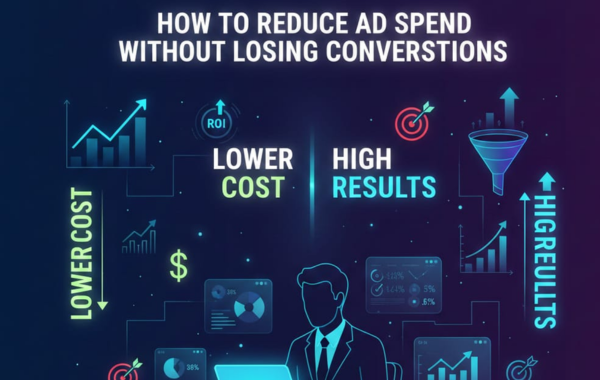
Rising advertising costs are a challenge for businesses of all sizes. While cutting ad spend may seem risky, it is possible to reduce costs without sacrificing conversions—if you focus on smarter optimization rather than fewer ads. This guide explains proven strategies to lower your ad spend while maintaining (or even improving) conversion performance.
Beginner’s Guide to Pay-Per-Click (PPC) Advertising
Pay-Per-Click (PPC) advertising is one of the fastest and most effective ways to drive targeted traffic to your website. Whether you’re a small business owner, a marketer, or a startup founder, PPC can help you reach the right audience at the right time. This beginner’s guide explains what PPC is, how it works, and how you can get started successfully.
Google Ads vs Facebook Ads: Which Delivers Better ROI?
In the fast-paced world of digital marketing, businesses often face a common dilemma: Should we invest in Google Ads or Facebook Ads? Both platforms dominate the paid advertising space, but they work in very different ways. The real question isn’t which platform is better overall—it’s which delivers better ROI for your business goals. Let’s break it down.